Fact Check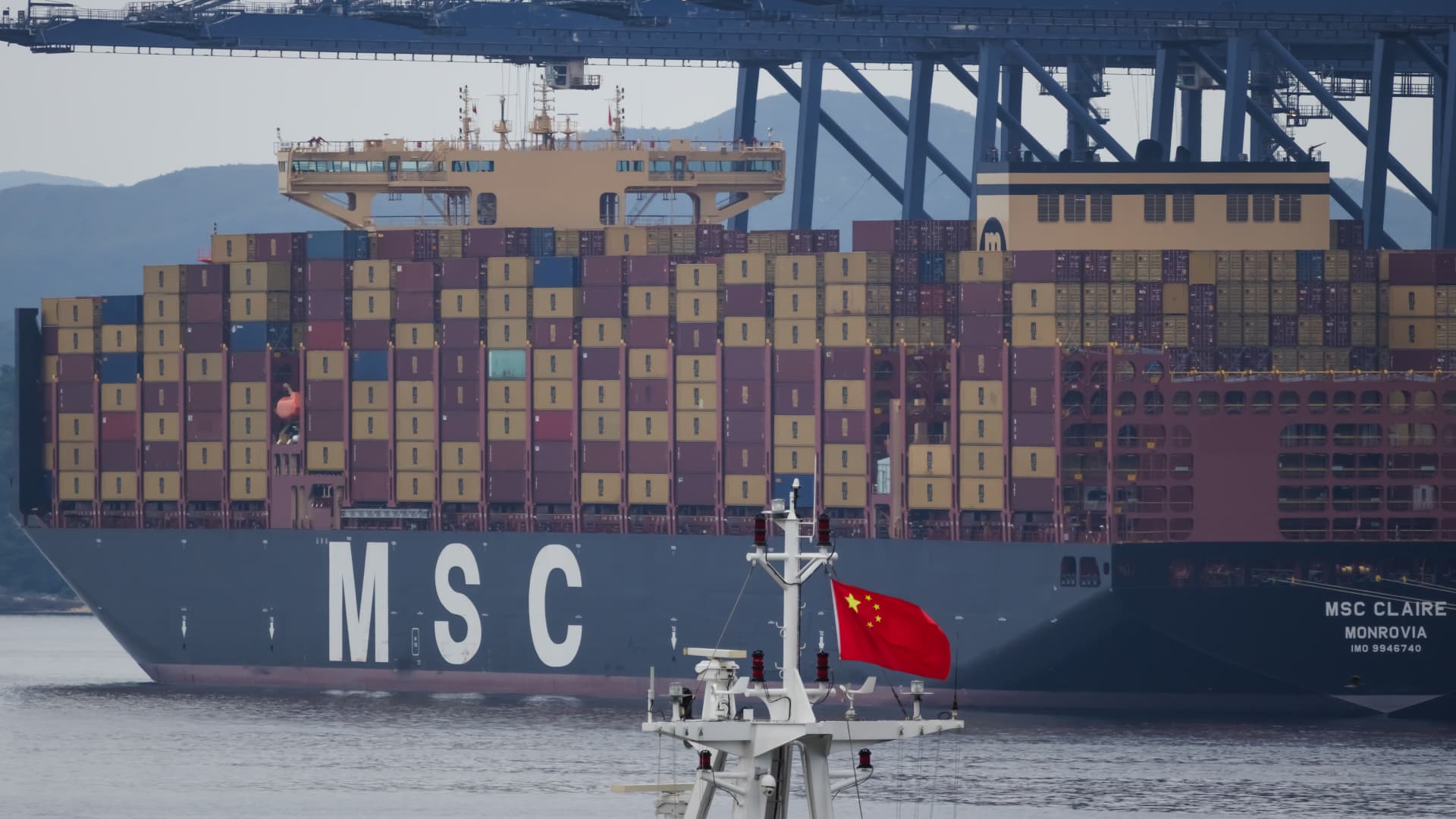
China's years of stockpiling crude oil and reduced imports since the Middle East war in late February helped prevent a far worse energy crisis. Economists like Paul Gruenwald from S&P Global Ratings described China’s actions as 'saving the day,' averting a 'doomsday scenario' where the Strait of Hormuz closure could have cut off 20% of global energy supply. The U.S.
Energy Information Administration reports China holds 1.4 billion barrels of strategic crude, compared to 825 million barrels in the U.S., as of December 2025. China’s oil imports dropped below 8 million barrels a day in May and June, the first time since 2016, keeping global oil prices stable despite forecasts of $150 to $200 a barrel. Brent crude prices fluctuated around $80 before rising to over $100 due to renewed Gulf tensions.
However, China’s reserves—enough for roughly four months—have cushioned the economy from oil price shocks. Coal’s role in China’s energy mix (about 53%) also acted as a shock absorber. Experts like Krishna Srinivasan from the IMF warn that if China resumes pre-war import levels, oil price impacts on global growth could worsen.
Beijing’s strategic reserves and clean energy investments have proven critical in managing supply disruptions, though analysts like Dan Wang from Eurasia Group note the model may not be sustainable in normal economic conditions. Goldman Sachs predicts oil prices could reach $120 a barrel by 2027 if the war continues.
Source: CNBC